
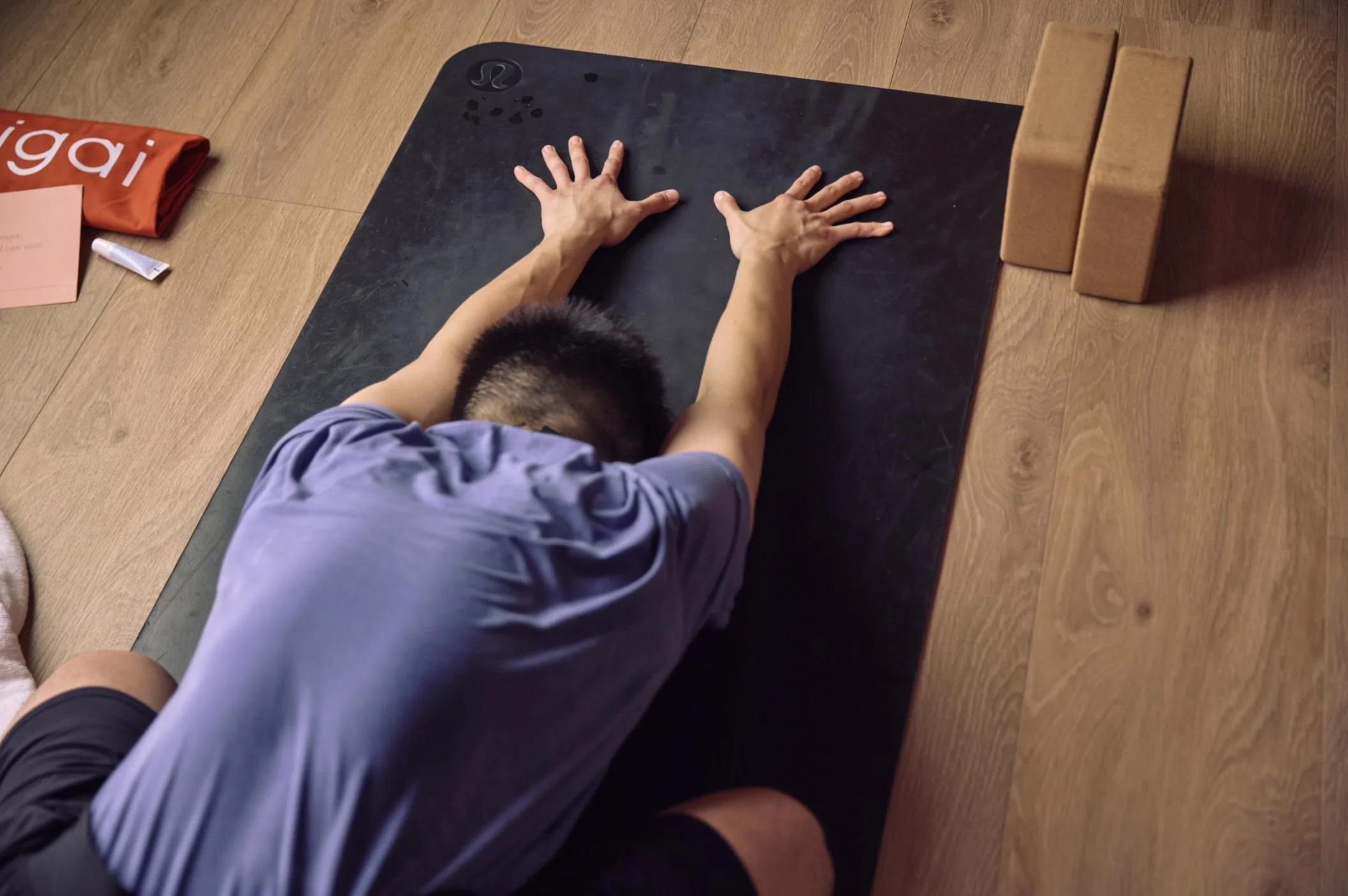
IKIGAI Journal
Is Yoga Good for Back Pain From Sitting at a Desk?
Office back pain from sitting all day? Here is which yoga styles help, which to approach carefully, and how to start safely in Hong Kong.
A good yoga class does more than stretch a tight lower back. It restores movement to the spine and hips, strengthens the trunk and legs, improves body awareness, and helps the body tolerate everyday load more comfortably.
Yoga is not appropriate for every type of back problem, and the wrong class can aggravate a sensitive back. The aim is not to avoid movement. It is to choose the right amount, pace, and level of challenge.
The practical answer
Yoga can help reduce pain, improve function, and restore confidence in movement when the class is suitable and the practice is consistent.
Research supports yoga as one useful exercise option for some people with persistent low-back pain. It works best as progressive movement, not as a promise that one posture will “fix” the spine.
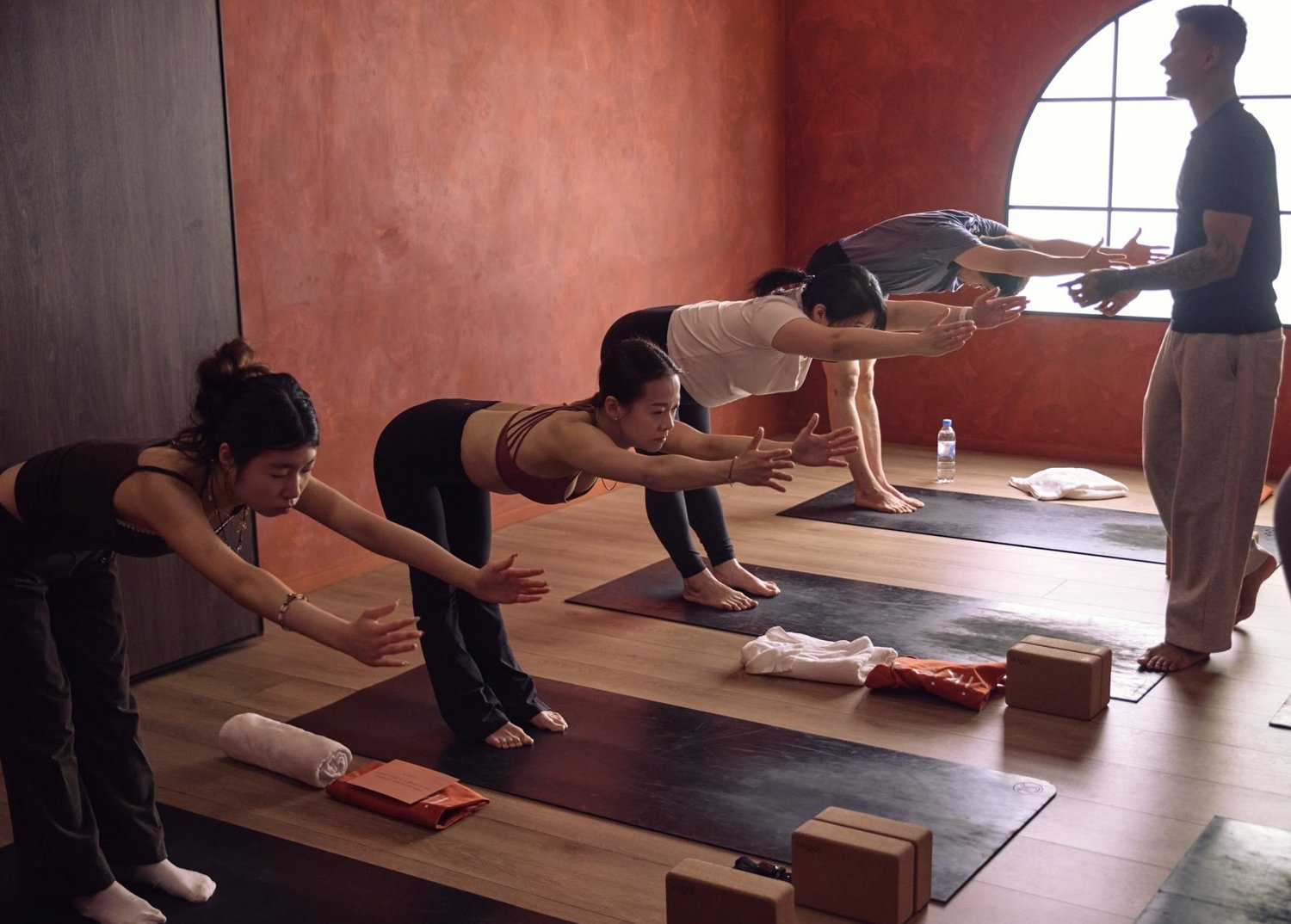
Why Does Your Back Hurt After Sitting All Day?
Long periods in one position can leave the back, hips, shoulders, and neck feeling stiff or fatigued. This does not necessarily mean that sitting has damaged your spine or that your posture is fundamentally wrong.
The more common issue is lack of movement variety. A desk-heavy day asks the body to repeat a narrow range of positions for hours, while giving the trunk, hips, and upper back very little opportunity to move or work.
Sleep, stress, general fitness, previous pain, workload, and recovery also influence symptoms. This is why back pain is rarely explained by one “weak core,” one tight muscle, or one bad chair.
Too Little Variety
Hours in one position can create stiffness and local muscular fatigue.
Reduced Capacity
A body that is not regularly loaded may tolerate long workdays less comfortably.
Stress and Recovery
Poor sleep, high stress, and previous pain can increase sensitivity.
The answer is not perfect posture.
It is more movement, more capacity, and more options.
Why Can Yoga Be Particularly Helpful?
Yoga gives the body what a desk-based day often lacks: controlled movement in several directions.
During one well-designed class, you may flex, extend, rotate, load the legs, bear weight through the arms, strengthen the trunk, move the hips, and coordinate all of it with breathing.
This combination is useful because back pain is rarely solved by stretching alone. A resilient back also needs strength, coordination, gradual exposure to movement, and confidence.
Yoga can be especially valuable for someone who has started to move cautiously because of pain. A progressive class provides repeated evidence that the spine can bend, rotate, and carry load safely.
Restore comfortable movement through the spine, hips, and upper back.
Build support through the trunk, glutes, legs, and back of the body.
Learn to move with less compensation and more awareness of effort.
Reduce fear of movement and return gradually to normal activity.
Which Yoga Styles Help Back Pain Most?
For an achy or sensitive back, begin with a class that gives you time to understand the movements and adjust them.
Hatha Yoga
One of the strongest starting points for beginners. The slower pace gives the teacher time to explain alignment, breathing, props, and modifications while still building useful strength.
Gentle Flow or Level 1 Flow
Introduces more continuous movement without the speed of a stronger Vinyasa class. It can help reduce stiffness while rebuilding coordination and confidence.
Align or Foundational Classes
Useful when you want to understand how to organise the body in standing poses, transitions, and weight-bearing positions rather than simply copying the room.
Restorative Yoga
Helpful when pain is accompanied by stress, poor sleep, or a strong feeling of muscular guarding. It supports recovery, although it should eventually be combined with active strengthening.
Yin Yoga
May feel relieving when stiffness is a major part of the problem. Long passive holds are not suitable for every back, so reduce the depth and duration when a position creates discomfort.
Which Styles Should You Approach Carefully?
This does not mean these practices are “bad for backs.” It means they may be poor entry points while pain is active, movement confidence is low, or you are still learning the foundations.
Delay During a Flare-Up
Fast Vinyasa and Power Yoga
- Less time to understand or modify transitions
- Fatigue can reduce movement control
- Repeated forward folds and planks may be too much initially
Build Up Gradually
Hot Yoga and Ashtanga
- Heat can make it easier to push beyond a sensible range
- Fixed or demanding sequences may be difficult to adapt
- Best explored once symptoms are stable and technique is familiar
Once your back feels stable and you understand how to modify, stronger Flow, Hot Yoga, Power, or Ashtanga may become appropriate. The progression matters more than the label.
Which Poses Commonly Help Desk-Related Back Pain?
There is no single pose that fixes every back. The most useful movements are usually the ones that restore motion, build support, and reduce the feeling that the lower back must do everything alone.
Cat–Cow
Restores gentle movement through the spine after hours of relative stillness. Move slowly and let the range increase without forcing it.
Bridge Pose
Strengthens the glutes and back of the body while the spine remains supported. Aim for controlled effort rather than maximum height.
Bird Dog
Builds trunk control while the arms and legs move. This carries over well to walking, carrying, lifting, and other everyday tasks.
Sphinx or Low Cobra
Reintroduces gentle extension after a day spent mostly sitting. For many people, this creates space across the front of the body and useful activity through the back.
Supported Hip and Upper-Back Mobility
Low lunges, supported rotations, and reclined hip movements can help distribute movement more evenly through the body.
Child’s Pose or Constructive Rest
Offers a comfortable pause between stronger movements. Choose the version that allows easy breathing and does not increase symptoms.
A mild stretch or muscular effort can be normal. Stop or modify if pain becomes sharp, spreads further into a leg, creates numbness or weakness, or remains clearly worse after practice.
When Is Yoga Not the First Answer?
Most back pain is not caused by a dangerous condition. However, some symptoms need medical assessment before joining a group class.
New difficulty controlling the bladder or bowel
Numbness around the genitals, inner thighs, or saddle area
Sudden or progressive weakness in one or both legs
Severe pain following a fall, collision, or accident
Back pain with fever, unexplained weight loss, or significant illness
Persistent night pain or symptoms that are rapidly worsening
Pain that travels into the leg, numbness, or tingling is not always an emergency, but it may indicate nerve involvement. Seek assessment when it is new, severe, progressive, or accompanied by weakness.
Yoga can work very well alongside physiotherapy. It should not replace a diagnosis when one is needed, and a yoga teacher should not try to diagnose the cause of your pain.
“Yoga is a strong movement practice. It is not a substitute for medical assessment when warning signs are present.”
How Often Should You Practise?
Consistency matters more than intensity. One suitable class is useful. Two classes per week is a strong starting rhythm for most beginners because it provides enough repetition without making recovery difficult.
Some people notice less stiffness or better movement within the first few weeks. More meaningful changes in strength, function, and confidence usually require several weeks or months of regular practice.
A useful entry point when symptoms are sensitive or time is limited.
A strong balance of repetition, recovery, and steady progress.
Can build momentum when intensity varies and recovery remains good.
A short home routine can support studio practice, but it does not need to be complicated. Five to ten minutes of comfortable spinal movement, Bridge, Bird Dog, and relaxed breathing is more useful than forcing a long sequence when the back is already irritated.
What Can You Do at Your Desk?
The most effective desk strategy is not one perfect stretch. It is giving your body more movement opportunities throughout the day.
Alternate between sitting, standing, leaning, and walking when possible.
Two or three minutes between calls can reduce the sense of stiffness.
Try shoulder rolls, small seated rotations, and comfortable hip movements.
Regular exercise builds the capacity that makes long workdays easier to tolerate.
Standing forward folds can feel good for some people, but they are not automatically the best desk stretch for everyone. Choose movements that reduce stiffness without increasing or spreading pain.
What Class Should a Hong Kong Desk Worker Start With?
Start with a Level 1 Hatha, Gentle Flow, Align, or another slower class at the studio closest to your office or home.
Tell the teacher that your back becomes uncomfortable after sitting. Mention whether symptoms remain in the back or travel into a leg, and explain which movements currently feel better or worse.
IKIGAI has three Hong Kong studios positioned around major working districts:
Central
7/F, On Lan Centre
11–15 On Lan Street
Causeway Bay
21–23/F, Art Piece Building
3 Matheson Street
Tsim Sha Tsui
1/F, Art Piece Building
53 Carnarvon Road
Our classes are organised by level and practice style, making it easier to choose a suitable starting point rather than entering a fast or highly heated class by accident.
Start Without Overcommitting
Use 14 days to find the class pace and practice style your back responds to best.
Explore the Starter ProgramSpeak to the team before booking if you are uncertain which class is suitable.
Can IKIGAI Bring Yoga Into the Workplace?
Yes. Workplace yoga can make regular movement more accessible during a desk-heavy week.
A well-designed office session can combine mobility, light strengthening, breathing, and practical movement breaks without requiring a full studio setup. It will not prevent every episode of back pain, but it can help employees move more often and develop habits that support comfort during the working day.
IKIGAI offers on-site and in-studio corporate programmes adapted to the available space, group experience, and objectives of each organisation.
Yoga is not a quick fix for every back problem. For common desk-related pain, however, it can be an effective and sustainable way to move more, build strength, reduce stiffness, and restore confidence in the body.
Choose the right class. Start gradually. Let consistency do the work.
Frequently Asked Questions
Is yoga good for lower-back pain caused by sitting?
It can be. Yoga may improve pain, strength, mobility, and back-related function for some people with persistent, non-specific low-back pain. The class should match your current ability and symptoms.
Which yoga style is best for office back pain?
Hatha, Gentle Flow, Align, and other Level 1 classes are usually the clearest starting points. They offer enough time to learn technique, use props, and modify movements.
Which yoga styles should I avoid during a flare-up?
Consider delaying fast Vinyasa, Power, strong Hot Yoga, or demanding fixed sequences until symptoms are stable. These practices may become appropriate later, but they can be difficult entry points when pain is active.
Can yoga strengthen the back as well as stretch it?
Yes. Standing poses, Bridge, Bird Dog, planks, controlled transitions, and other weight-bearing movements can strengthen the trunk, hips, legs, and back. A useful programme includes both mobility and strength.
How quickly can yoga help desk-related back pain?
Some people notice less stiffness after a few classes. More durable changes in strength, function, and movement confidence generally require several weeks or months of consistent practice.
Is Hot Yoga good for a stiff back?
Heat may make movement feel easier, but it can also encourage beginners to push too far. Start non-heated or gently warmed when symptoms are active, then add stronger heat once your technique and tolerance are clearer.
When should I see a doctor before practising yoga?
Seek urgent care for new bladder or bowel dysfunction, saddle-area numbness, or progressive leg weakness. Arrange assessment for trauma-related pain, rapidly worsening symptoms, fever, unexplained weight loss, significant illness, or persistent night pain.